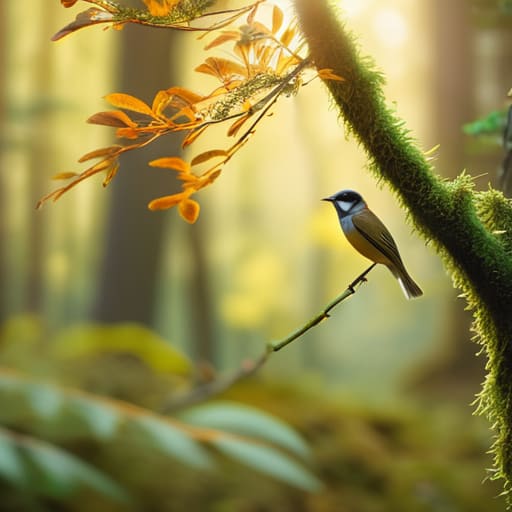
I spent three hours last Tuesday standing in a waterlogged field in Shropshire, staring at a hedge that looked—to any sane person—completely empty, just to confirm that a specific warbler hadn’t arrived early. It was cold, my boots were leaking, and I was arguably being a bit dramatic, but that’s the reality of field biology. Most people think learning how to watch birds through the seasons requires a thousand-pound spotting scope or a PhD in ornithology, but they usually just end up frustrated when the “exciting migrations” they read about online don’t show up on their balcony.
I’m not here to sell you a lifestyle or a fancy piece of kit you don’t need. Instead, I want to talk about what the actual data tells us when we move past the seasonal checklists. I’m going to show you how to read the subtle shifts in habitat and behavior that signal a change in population, rather than just waiting for a flashy arrival. We’ll look at what is actually happening in the thickets and what is just seasonal noise, so you can start seeing the real story unfolding in your own backyard.
Table of Contents
Decoding Bird Migration Patterns Without the Hype
When you see a headline claiming a species has “vanished” because they aren’t in your garden in January, please don’t panic. Most of the time, they haven’t disappeared; they’ve just shifted their range or changed their behavior. Understanding bird migration patterns requires us to stop looking for a constant presence and start looking for patterns of movement. It’s the difference between seeing a static snapshot and watching a slow-motion film. If you’re only looking for the same five species every single day, you’re going to miss the incredible, fleeting window of the spring bird arrival, when the landscape actually shifts in real-time.
The real trick to decoding these shifts is distinguishing between travelers and the locals. You’ll quickly start to spot your year-round resident birds—the ones that stay put regardless of whether it’s pouring rain or blistering heat. Once you know who the “permanent residents” are, the newcomers become much easier to spot. It isn’t about having a massive, expensive kit; it’s about noticing the subtle changes in the frequency of certain calls or the sudden appearance of a shape in the hedgerow that wasn’t there last week.
Identifying Migratory Species When the Data Is Thin
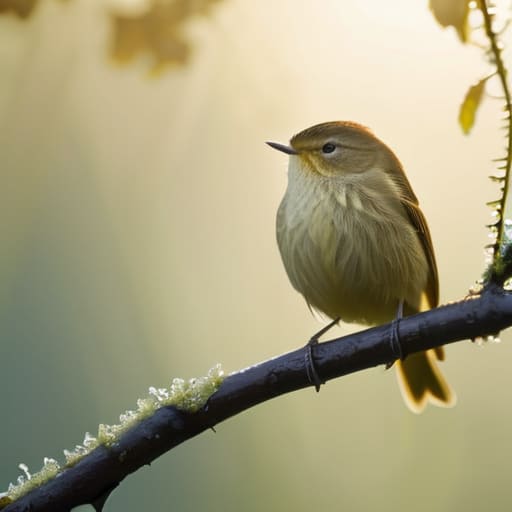
The problem with identifying migratory species is that we often mistake a single, loud sighting for a reliable trend. You see a Chiffchaff in late March and think, “Right, the spring bird arrival has officially begun,” but in reality, you might just be looking at a late migrant or a confused individual. It’s easy to fall into the trap of assuming a species has arrived because the vibe feels right, but true data requires seeing consistent numbers over several days. When the sightings are sporadic, you aren’t seeing a population movement; you’re seeing outliers.
To get a clearer picture when the data feels thin, you have to stop looking for the “event” and start looking for the absence of the residents. I always tell my moth trap group that you can’t know what’s new until you know what’s supposed to be there. If you’re distinguishing between a transient visitor and your local year-round resident birds, pay attention to behavior rather than just plumage. A resident bird has a territory; a migrant is often just passing through, looking for fuel, and lacks that settled, defensive posture.
Beyond the Binoculars: Five Ways to Actually Track Seasonal Shifts
- Stop relying on the “first sighting” hype. If you see a single Chiffchaff in March, it doesn’t mean the migration has arrived; it means one individual has arrived. To see the pattern, you need to track the frequency of sightings over weeks, not just the novelty of a single bird.
- Learn to read the phenology of the habitat, not just the birds. Birds don’t move in a vacuum; they move because the insects they eat are emerging or the berries are ripening. If you want to predict when the warblers will show up, start watching when the specific caterpillars they depend on start to appear.
- Use “negative data” as a tool. In my field surveys, what we don’t see is often as important as what we do. If you expect a certain species to be present based on last year’s data but they are nowhere to be found, don’t just assume you missed them—document the absence. That gap in the data is a legitimate observation of a population shift.
- Note the micro-climates in your own garden or local patch. A sheltered, south-facing hedge will host different migratory stopovers than an exposed field margin during a cold snap. Understanding the local topography helps you realize why a species might seem “late” when they are actually just waiting for a specific thermal pocket.
- Differentiate between a species’ range expansion and a seasonal arrival. Just because you see a bird in a new area doesn’t mean it’s a migratory shift; it might be a permanent resident moving due to changing local conditions. Always cross-reference your sightings with long-term local records to see if you’re looking at a temporary visitor or a permanent resident.
Beyond the Checklist: What to Actually Look For
Stop looking for “the migration” as a single event; bird movement is a messy, staggered series of arrivals and departures that depends entirely on local weather and food availability.
Prioritize consistent observation over rare sightings, because knowing which species are predictably absent is just as scientifically useful as spotting a one-off vagrant.
Learn to distinguish between a genuine population shift and a simple change in foraging behavior, as birds often move within a landscape rather than leaving it entirely.
Beyond the Checklist
At the end of the day, watching birds through the seasons isn’t about ticking off a definitive list of every species that passes through your garden. It’s about understanding that the data is often messy; a sudden absence of a common songbird might not mean a population collapse, and a single rare sighting doesn’t mean a species has “returned.” We have to look at the broader patterns—the shifts in timing, the changing abundance, and the way different species react to the actual weather, not just the calendar. If you can move past the urge to find “the rare one” and start noticing the subtle shifts in timing, you’re doing much better science than most of the headlines you’ll read.
I know it can feel a bit daunting when the numbers don’t seem to add up or when the birds you expect just don’t show up. But there is a real, quiet power in being the person who actually sits there and watches. When we move away from the alarmist “everything is dying” narratives and instead focus on consistent, careful observation, we build a foundation of truth that actually matters for conservation. Don’t let a quiet season discourage you. Just keep your eyes open and your notebook ready; the birds are doing something, even when it isn’t obvious, and your curiosity is the first step toward actually understanding them.
