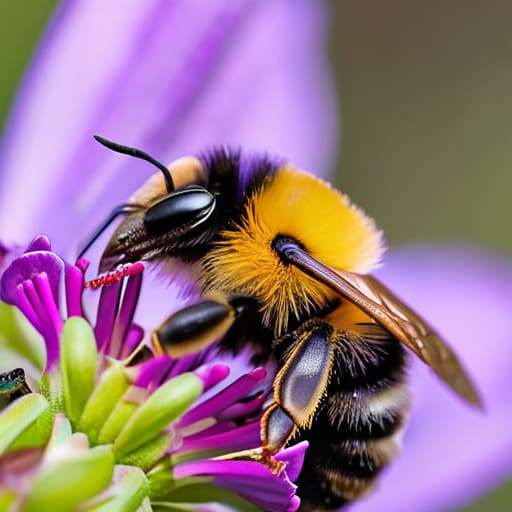
I once spent four hours crouched in a damp hedgerow near Ely, squinting through a hand lens at a specimen that looked identical to the one I’d logged ten minutes earlier. My field jacket was soaked, my knees were aching, and I was staring at a tiny, fuzzy abdomen, trying to figure out how bumblebee species are told apart when they all seem to be wearing the same yellow-and-black uniform. It’s incredibly easy to fall into the trap of thinking you can just “eyeball it” based on color, but in the field, that’s a fast track to bad data.
I’m not here to give you a simplified, “one-size-fits-all” guide that ignores the messy reality of entomology. Instead, I want to show you what actually matters when you’re standing in a garden or a field margin. We’re going to move past the basic color patterns and look at the specific morphological markers—the hair structures and wing venation—that researchers actually use to verify an ID. I’ll tell you when a distinction is settled science and when you’re better off just noting it as Bombus sp. until you can get a closer look.
Table of Contents
Decoding Complex Bumblebee Thorax Patterns
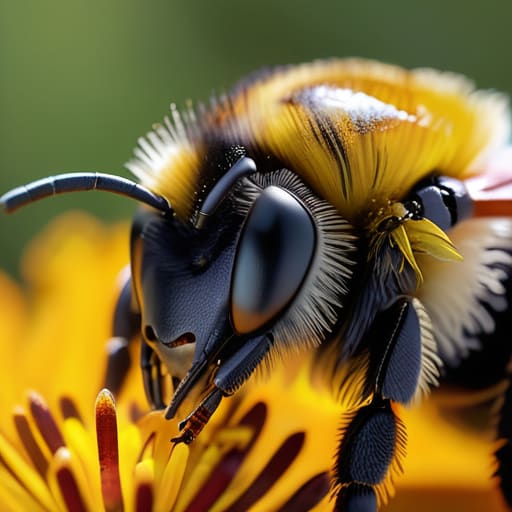
When you’re out in a field margin, your first instinct is to look for the “big” colors—the bright yellows and deep blacks. But if you want to move beyond guesswork, you have to look at the thorax. This is the mid-section of the bee, and while bumblebee color patterns can vary wildly even within a single colony due to temperature or nutrition, the hair distribution on the thorax is often much more reliable. For instance, in Bombus terrestris, the hair is generally a consistent black, whereas in Bombus lucorum, you might see subtle shifts in how that hair is structured.
It isn’t just about the color, though; it’s about the texture and density. You aren’t just looking for a patch of yellow; you’re looking at how the hair sits against the cuticle. This is one of those bumblebee morphological characteristics that separates a casual observer from someone actually recording data. I’ve spent many a rainy Tuesday squinting through a hand lens at these tiny structures, because relying solely on a “yellow stripe” is how you end up misidentifying three different species as one.
Why Bee Abdominal Markings Are Often Misread
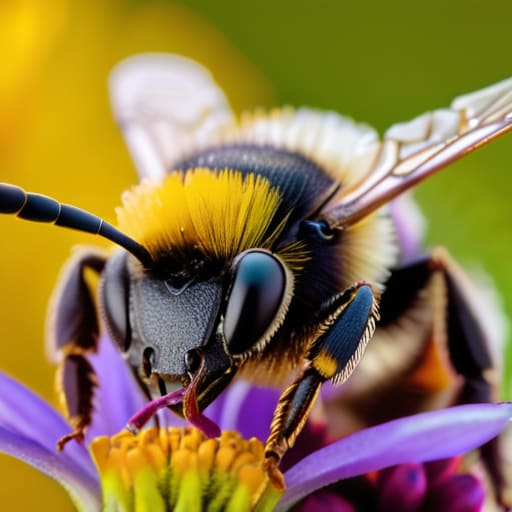
If the thorax is the bee’s ID badge, the abdomen is where people usually start guessing, and that is exactly where the errors pile up. Most casual observers look at bee abdominal markings and assume that a yellow band means one thing, while a white band means another. In reality, the placement of these color bands can shift depending on the age of the individual or even how much pollen they’ve been lugging around. I’ve spent many a rainy Tuesday looking at specimens where the pigment just isn’t cooperating with the textbook diagrams, making it incredibly easy to misidentify a common species for a rare one.
The real issue is that we often rely too heavily on identifying bee species by hair color alone. While color is a useful starting point, it is notoriously fickle. A bee might look like a Bombus terrestris at first glance, but if you aren’t looking at the specific distribution of hair density and the precise way those bands terminate, you’re just guessing. We have to move past the “color-matching” mindset and start looking at the structural consistency of the markings, because that is where the actual data lives.
Beyond the Visuals: Five Reality Checks for Your Next Survey
- Stop relying on “the yellow band.” While color is the first thing we notice, many species—like Bombus terrestris and Bombus lucorum—share almost identical abdominal markings. If you want to be sure, you have to look at the specific placement and width of those bands relative to the segments, not just assume “yellow means X.”
- Check the hair, not just the color. In many cases, the density and texture of the pile (the fuzzy hair covering the body) are more reliable than the pigment itself. A bee might look pale because it’s a fresh emergence, but a seasoned pro looks at the structure of the hairs to differentiate between similar-looking species.
- Get a magnifying loupe and look at the legs. If you’re serious about identification, you need to look at the presence or absence of specific spines or hair patterns on the hind tibiae. It’s tedious, and it’s definitely not “Instagrammable,” but it’s often the only way to settle a tie between two lookalikes.
- Note the flight behavior and timing. While not a taxonomic “hard rule,” when a bee is active and how it moves through a patch can provide vital context. A species that prefers cooler, shaded hedgerows will behave differently than one that thrives in open, sun-baked clover fields, and that context helps narrow down your possibilities.
- Accept the “ID Not Possible” outcome. One of the most important things I’ve learned in the field is that some specimens simply cannot be identified to species level without dissection or DNA barcoding. If you’re looking at a worn-down worker with half its hair rubbed off, don’t guess. Label it as “cf.” (confer) or “undetermined” rather than feeding bad data into a conservation model.
The Bottom Line for Field Surveyors
Stop relying solely on color patterns; while a yellow band looks obvious, true identification often hinges on the specific hair structures and thoracic markings that don’t change just because a bee has been flying in the rain.
Context matters as much as morphology, because seeing a specific marking is only half the battle if you haven’t accounted for the local phenology and whether that species is actually active in your transect at that time of year.
Be wary of “certainty” in your sightings; if you’re looking at a specimen that sits right on the edge of two species’ diagnostic traits, the most scientifically honest thing you can do is record it as uncertain rather than forcing a label that the data won’t support.
Beyond the Quick Glance
If you’ve been following along, you know that identifying a bumblebee isn’t just about spotting a splash of yellow or a stripe of orange. It is a process of elimination that requires looking past the obvious and focusing on the subtle, often microscopic, realities of morphological variation. We have looked at how the patterns on the thorax can be deceptive and why the color of the abdomen can vary so wildly within a single species that it practically invites error. Identifying these insects is less about finding a “perfect” specimen and more about understanding the specific diagnostic traits that researchers actually use to separate one species from another. It is meticulous, it is occasionally frustrating, and it is the only way to ensure the data we collect actually means something.
I know that sounds like a lot of work for something that flies past you in a second, but this precision is exactly why it matters. When we stop guessing and start truly observing, we move from being casual observers to being part of a much larger, evidence-based conversation about biodiversity. Every time you slow down to check a hair structure or a specific band pattern, you are contributing to a more accurate picture of our changing world. We cannot protect what we cannot accurately name, so keep looking closer—the details are where the real story of their survival is written.
