I spent three years counting Bombus terrestris in the pouring rain, so I’ve learned that most “expert” advice is just loud, unverified noise. The same goes for the endless, expensive nonsense you see online about “specialized nutrient blends” or “smart sensors” for your living room greenery. If you’ve ever felt like you need a degree in botany just to keep a Pothos alive, you’ve been misled by the hype. This isn’t a high-stakes field survey, but your houseplant still follows biological rules, and this beginner guide to indoor plant care is going to strip away the marketing fluff to focus on what actually matters: light, water, and soil physics.
I’m not here to sell you a specific brand of overpriced mister or promise that you can turn a dark corner into a tropical rainforest. Instead, I’m going to give you the evidence-led reality of what these plants actually need to function. We’ll talk about why overwatering is almost always a symptom of poor drainage rather than a lack of love, and how to read your plant’s signals before they become permanent. No alarmism, no impossible standards—just the practical stuff that keeps things green.
Beyond the Low Light Myth What Plants Actually Need
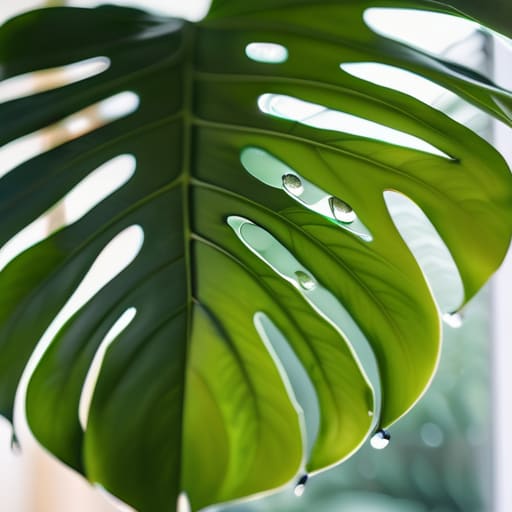
We need to talk about the term “low light indoor plants,” because it is one of the most persistent pieces of misinformation in the hobby. In my fieldwork, I’ve learned that light isn’t a binary switch that is either “on” or “off”; it is a gradient of energy. When a shop label says a plant can survive in a dark corner, what they actually mean is that the plant can tolerate low light, not that it will thrive there. Most people mistake survival for health, but a plant that isn’t receiving enough photons is essentially just sitting there, waiting for its metabolism to stall.
If you are struggling with a plant that looks leggy or pale, the issue likely isn’t your watering schedule for houseplants, but a fundamental lack of fuel. Even the hardiest species need some degree of indirect light to actually process the nutrients you’re giving them. Without that energy, even the most expensive potting mix won’t save them. If you want to move past the guesswork, you have to stop looking at the shade and start measuring the light—or at least understanding where the sun actually hits your floor throughout the day.
Why Your Rigid Watering Schedule for Houseplants Is Failing
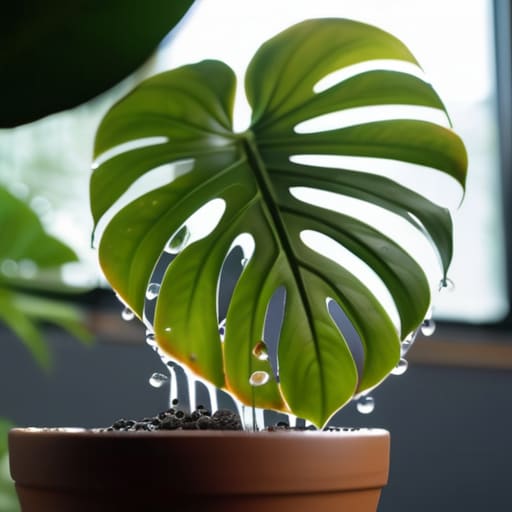
If you are following a strict watering schedule for houseplants—say, every Tuesday without fail—you are essentially playing a guessing game where the house always wins. In my field work, we look at environmental variables to understand why a population shifts; your living room is no different. A plant doesn’t have a calendar; it has a root system that reacts to the specific moisture levels of its medium. If you water on a fixed day regardless of whether the soil is still damp, you aren’t “caring” for the plant, you are likely suffocating it.
The real issue usually lies in the indoor plant soil requirements and how they interact with your specific microclimate. A peat-based mix in a humid bathroom behaves entirely differently than a gritty, well-draining mix in a drafty hallway. When you ignore these variables in favor of a rigid routine, you create the perfect environment for root rot—a slow, invisible death that most people mistake for “just a finicky plant.” Instead of watching the clock, start watching the physical state of the substrate. If the top inch is still tacky, put the watering can down.
The "Wait and See" Method: Five Ways to Stop Overthinking Your Plants
- Stop treating your soil like a timer. In my field surveys, we don’t count minutes; we look at environmental indicators. For a pothos or a spider plant, that means sticking your finger two inches into the dirt. If it feels damp, walk away. If you water because it’s “Tuesday,” you aren’t a gardener, you’re just a person with a repetitive habit that’s likely drowning your roots.
- Get comfortable with the “Non-Ideal” light reality. Most beginners buy a plant because it looks great in a bright, sun-drenched Instagram photo, only to stick it in a dark corner. Unless you’re looking at a Sansevieria trifasciata (Snake Plant)—which is famously hard to kill—you actually need to consider the window direction. South-facing is the gold standard; north-facing is a struggle.
- Humidity isn’t just a buzzword; it’s a physiological requirement. When I’m out in the hedgerows, I’m looking at how moisture clings to surfaces. In a heated apartment, the air is often too dry for tropicals like Calathea orbifolia. A misting bottle is mostly just a placebo that makes you feel productive; if you want real results, get a pebble tray or a dedicated humidifier.
- Learn to spot the difference between a nutrient deficiency and a pest problem. People see a yellow leaf and immediately start dumping liquid fertilizer on it, which can actually burn the roots. Often, it’s just an old leaf reaching the end of its life cycle, or perhaps a subtle sign of nitrogen deficiency. Look closer before you start feeding.
- The pot matters more than the aesthetic. I see so many beautiful ceramic pots that lack drainage holes. Without a way for excess water to exit, you’re creating a stagnant, anaerobic environment at the bottom of the pot—essentially a swamp that invites root rot. If you love a decorative pot with no holes, keep the plant in its plastic nursery liner and use the pretty one as a sleeve.
Stop Aiming for Perfection
If you take nothing else away from this, remember that houseplants aren’t static decorations; they are living organisms with specific, non-negotiable physiological requirements. You can’t bypass the physics of light or the chemistry of soil just by following a pretty aesthetic on social media. Forget the rigid, weekly watering schedules and the idea that “low light” means “no light.” Instead, focus on observing the actual indicators—the soil moisture, the leaf turgidity, and the way the plant responds to its immediate environment. Success in indoor gardening isn’t about having a magic green thumb, it is about developing a baseline of observation so you can distinguish between a temporary slump and a genuine biological crisis.
At the end of the day, I want you to stop being afraid of a yellowing leaf. In my field work, we don’t panic when a single transect shows a dip in numbers; we look at the broader trends and adjust our management. Your windowsill is your own little ecosystem, and while it won’t always be perfect, it is a place to practice the art of noticing. Don’t let the fear of a dead plant stop you from trying to grow something. Every lost pothos is just more data for your next attempt. Just keep watching, keep adjusting, and trust the process of learning through trial and error.
If you’re feeling overwhelmed by the sheer volume of conflicting advice online, my best tip is to stop looking for a single “magic” rule and start observing the specific micro-environment you’ve created. It’s much like how I track local biodiversity; you can’t just assume one data point applies to every garden, or every windowsill. If you find yourself needing a bit more community or a place to vent about your struggling succulents, I’ve actually found that finding niche online spaces—much like how people might explore chat rooms in Germany to connect with specific interests—can be a surprisingly useful way to gauge what others are experiencing in real-time. It helps to remember that every plant is an individual experiment, and your primary job is just to be a decent observer of its specific signals.
