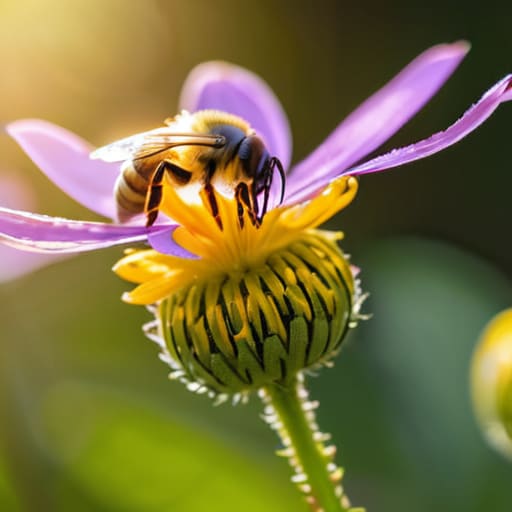
I spent three hours yesterday standing in a damp hedgerow, squinting through a hand lens at a patch of Centauria nigra—Common Knapweed—just to confirm a single population count. It’s exhausting work, but it’s the only way to see past the sensationalist headlines that claim your garden is a “biodiversity hotspot” just because a single hoverfly visited your lavender. We often get lost in the noise of “bee-friendly” marketing, but if we want to actually support ecological resilience, we have to stop guessing and start looking at what the data says about the best plants for attracting beneficial insects. It isn’t about aesthetics; it’s about functional nectar availability and the specific timing of blooms.
If you find yourself staring at a seed packet and feeling that familiar sense of decision paralysis, don’t just guess based on the pretty pictures on the front. I usually suggest cross-referencing whatever you’re buying with a more practical guide to see if the varieties actually suit your local soil and light levels. I’ve actually found a lot of clarity in the curated suggestions over at the Casualedinburgh site, which helps cut through the noise when you’re trying to figure out what will actually thrive in your specific patch of dirt rather than what just looks good in a glossy magazine.
In this post, I’m cutting through the catalog fluff to give you a list of seven plants that actually matter to the local insect community. We aren’t just looking for “pretty” flowers; we are looking for high-value fuel sources that sustain pollinators through their most vulnerable life stages. I’ll explain exactly why these specific species work, the nutritional value they offer, and how you can use them to create a garden that functions like a real ecosystem rather than just a decorative patch of dirt.
Lavandula (Lavender)
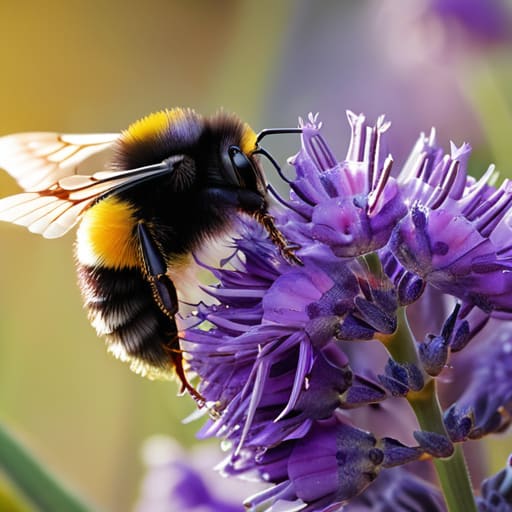
If you walk through a garden in mid-summer, you’ll likely see a cluster of Bombus terrestris—the common buff-tailed bumblebee—hovering around the lavender. It’s a classic for a reason. The structure of the flower spike allows bees to land easily and move methodically from floret to floret, which is highly efficient for their energy expenditure.
Achillea millefolium (Yarrow)
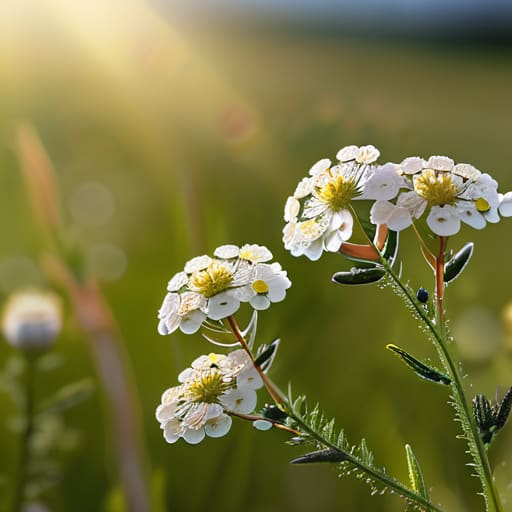
When I’m out on a transect in a messy field margin, I’m always looking for the flat, landing-pad shapes of Achillea millefolium. This is a game-changer for the smaller, “weaker” flyers—the tiny hoverflies and solitary wasps that lack the heavy-duty machinery of a honeybee. They need a stable platform to land on so they can feed without exhausting themselves mid-air.
Echinacea purpurea (Coneflower)
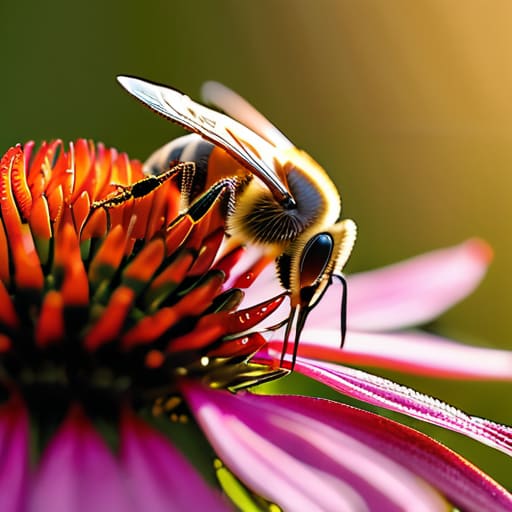
There is a specific kind of architectural beauty to Echinacea purpurea, but for me, the real interest lies in the central cone. While the petals attract the pollinators, that sturdy, raised center provides a much-needed tactile anchor for many species. It’s a high-reward plant, meaning it offers a significant amount of nectar per visit, which is essential for insects preparing for long flights or egg-laying.
Calendula officinalis (Pot Marigold)
I often get asked if “ornamental” plants are actually useful, and Calendula officinalis is a perfect example of a plant that bridges the gap. It’s bright, it’s easy to grow, and it’s a genuine workhorse for generalist pollinators. Because it blooms for such a long window, it acts as a sort of nutritional bridge during those slightly leaner weeks when the more specialized wildflowers have finished their cycle.
Phacelia tanacetifolia (Lacy Phacelia)
If you want to see a sudden, visible shift in your garden’s insect activity, try scattering some Phacelia tanacetifolia. In my field work, we often see this species dominating margins because it is a nectar powerhouse. It produces a huge volume of nectar that is relatively easy to access, making it a magnet for almost every flying insect in the vicinity.
Buddleja davidii (Butterfly Bush)
We need to have a serious conversation about Buddleja davidii. It is frequently demonized because it can be invasive in certain habitats, and that’s a valid ecological concern. However, in a controlled garden setting, it is undeniably one of the most effective ways to attract large, charismatic lepidoptera like the Peacock or the Red Admiral butterflies.
Sedum (Stonecrop)
As we move into the late summer and early autumn, the nectar landscape often starts to look a bit bleak. This is where Sedum species—specifically the varieties like ‘Autumn Joy’—become critical. They are among the few plants providing a reliable energy source right when many insects are frantically trying to build up fat reserves for the winter.
Beyond the Planting List
If you take anything away from this, let it be that a garden isn’t just a collection of pretty things; it is a functional piece of infrastructure. We’ve talked about the importance of nectar-rich perennials and the necessity of staggered bloom times, but the real takeaway is about connectivity. You don’t need a sprawling estate to make a difference, but you do need to move away from the “set and forget” mentality of ornamental gardening. Providing a buffet of diverse, native species is far more effective than planting a massive, single-species hedge that offers nothing once its specific flowering window closes. It is about functional diversity—ensuring that from the first thaw of spring to the final frost of autumn, there is a reliable, high-quality energy source available for the insects actually doing the work in your local ecosystem.
I know it feels heavy sometimes, looking at the data on pollinator decline and feeling like a single patch of lavender is just a drop in a very leaky bucket. But that’s where the nuance matters. We don’t need a million people doing “perfect” conservation; we need millions of people doing imperfect, messy, and intentional gardening. When you leave the dead stalks for the overwintering solitary bees or choose a native wildflower over a sterile hybrid, you are participating in a massive, decentralized act of resistance against habitat loss. Every square meter of managed soil is an opportunity to stop the quiet collapse, one bloom at a time.
