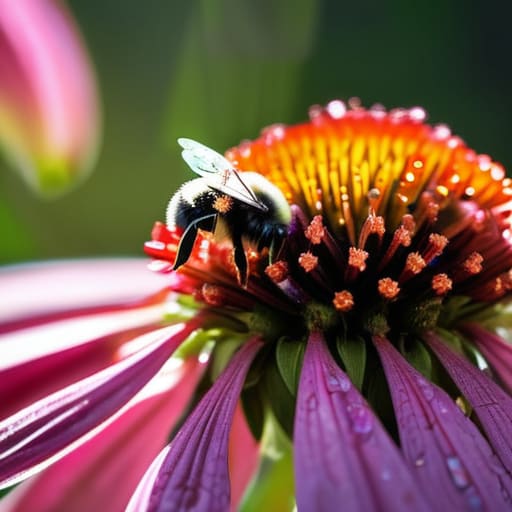
I spent three summers squinting through a magnifying loupe in the driving rain, counting Bombus terrestris—the common buff-tailed bumblebee—along muddy transects, and if there is one thing I learned, it’s that you don’t need a massive budget or a landscape architect to make a difference. I am so tired of seeing “eco-friendly” garden kits that are essentially just expensive, aesthetically pleasing ways to do absolutely nothing for local ecology. Most of the advice floating around regarding ways to support backyard insect populations is either wildly alarmist or focuses on these high-maintenance, boutique solutions that don’t actually reflect how a landscape functions.
I’m not here to sell you a specific brand of organic mulch or promise that a single birdbath will stop a mass extinction event. Instead, I want to talk about the actual mechanics of a garden: the messy bits, the unmulched soil, and the specific plants that provide real caloric value to a hungry pollinator. I’ll be sharing evidence-based, low-effort shifts that move the needle, while being very clear about where the data is thin and where we can actually prove a change is working.
Why Native Plant Gardening for Pollinators Outperforms Trends
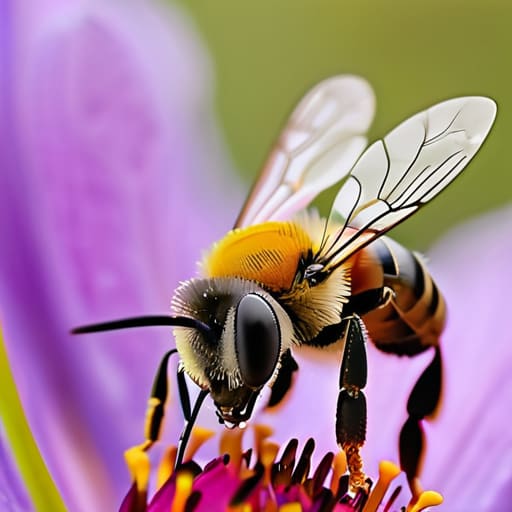
I see it every spring: a flurry of “aesthetic” gardening trends hitting Pinterest, usually involving non-native cultivars that look stunning in a high-res photo but are functionally useless to a local bee. We call these “double-flowered” varieties often because they’ve been bred for petal density, but in the process, they frequently lose their nectar or pollen entirely. It’s a bit like setting a table with a beautiful feast only to realize there’s no actual food on the plates. When we talk about native plant gardening for pollinators, we aren’t just talking about what looks “natural”; we are talking about evolutionary synchronicity. A specialist bee has spent millennia evolving the exact mouthpart length required to reach the nectar of a specific local wildflower. If you replace that wildflower with a flashy, imported hybrid, you haven’t just changed the scenery—you’ve effectively broken the supply chain.
If you want to move toward genuine wildlife friendly garden design, you have to look past the bloom colour and start looking at the life cycles. Native plants don’t just feed the adults; they provide the specific chemical cues and structural support required for larvae to develop. A garden full of exotic ornamentals might look lush, but to a local specialist insect, it’s a green desert.
The Nuance of Creating Insect Habitats in Your Backyard
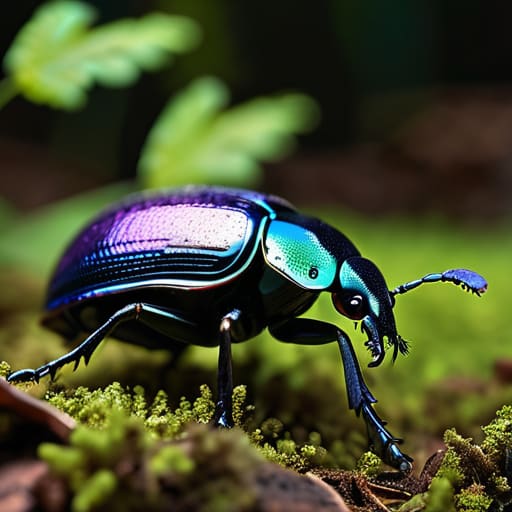
The problem with most advice on creating insect habitats in your backyard is that it treats a garden like a static museum exhibit rather than a living, messy system. We see these perfectly manicured, mulch-heavy spaces and think they look “clean,” but to a specialist like a Carabus violaceus (the violet ground beetle), a layer of thick, sterilized woodchips is basically a desert. If you want to actually support local biodiversity, you have to embrace a bit of structural chaos. This means leaving some bare soil for ground-nesting bees and resisting the urge to tidy up every fallen leaf.
It’s also about understanding that “habitat” isn’t just a collection of pretty flowers; it’s a series of interconnected life stages. You can have the most incredible native plant gardening for pollinators, but if you’re still using systemic insecticides to chase away a stray aphid, you’ve effectively built a beautiful restaurant that serves poisoned food. The real magic happens when you combine wildlife friendly garden design—like varying your plant heights—with a commitment to reducing chemical inputs. It’s not about being perfect; it’s about providing the messy, unrefined spaces where life actually happens.
Beyond the Flowerbeds: Five Practical Moves for Real Biodiversity
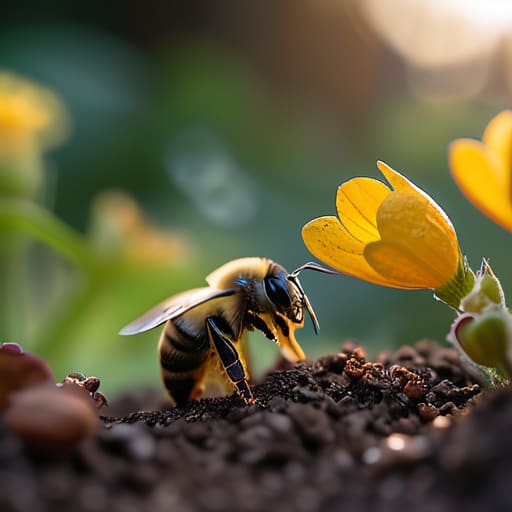
- Stop the “clean garden” reflex. When I’m out on a transect, I’m rarely looking at manicured lawns; I’m looking at the messy bits. Leave a patch of bare, unmulched soil. Many solitary bees, like those in the Andrena genus (commonly known as mining bees), don’t nest in hollow stems or fancy “bee hotels”—they nest in the ground. If you cover every inch of earth with woodchips or heavy mulch, you’ve effectively evicted them.
- Manage your “mess” with intent. There is a massive difference between a garden that is neglected and one that is intentionally structural. If you want to support overwintering larvae, leave the hollow stalks of your perennials standing through the winter. Many insects spend the coldest months as pupae or larvae tucked inside that dead plant matter. If you cut everything back to the ground in October, you aren’t just tidying up; you’re clearing out the nursery.
- Prioritize the “bridge” plants. It’s easy to plant a burst of lavender in July, but what happens in May or September? A population needs a continuous phenological bridge—that’s just a fancy way of saying a steady supply of food from early spring to late autumn. If you have a gap in flowering times, you have a gap in survival. I look for a sequence: early willow or primrose, mid-summer nectar, and late-season ivy or Michaelmas daisies.
- Watch your light pollution. We talk a lot about food and housing, but we rarely talk about the disruption of the nocturnal cycle. If you have bright, white LED security lights pointed directly at your flowerbeds, you are essentially disorienting every moth that hits your garden. It’s not just about the “scary” bugs; it’s about the pollinators that work the night shift. Use warm-toned, shielded lights, or better yet, keep them on a timer.
- Embrace the “weeds” (and name them). That dandelion in your lawn isn’t a failure of gardening; it’s a high-protein snack for an emerging queen bumblebee. While we shouldn’t let a garden become a monoculture of nettles, we need to stop seeing all non-ornamental plants as enemies. If you see Taraxacum officinale (the common dandelion) or Trifolium repens (white clover), recognize them as essential nectar sources that provide the energy needed for the next generation to actually get started.
Moving Beyond the Buzzwords
At the end of the day, supporting local biodiversity isn’t about buying a specific “pollinator kit” from a big-box retailer or obsessing over whether your garden looks like a curated botanical display. It is about the messy, practical realities we have discussed: choosing native flora that actually provides nectar, understanding that a bit of unmulched soil is a lifeline for ground-dwelling species, and resisting the urge to “tidy up” every single corner of your plot. We have to move past the idea that a garden is just a visual asset and start seeing it as a functional landscape. It is the difference between planting something that looks nice and planting something that actually moves the needle for the specific species struggling in your local transects.
I know it feels overwhelming when you read the latest paper about population collapses, but please don’t let the scale of the problem paralyze you. Conservation isn’t always about massive, sweeping legislative changes—though that is necessary—it is also built on the aggregate of millions of tiny, intentional decisions made in backyards and hedgerows. If you can provide even a small patch of habitat, you are contributing to a larger, fragmented, but vital network of survival. You don’t need to be an entomologist to make a difference; you just need to be willing to leave a little bit of the wildness in.
If you’re feeling overwhelmed by the sheer volume of conflicting advice on what to plant or when to prune, I usually suggest stepping back from the “top ten” lists and looking for more specialized, data-driven guidance. For instance, if you want to dive deeper into specific regional nuances or find more granular resources that go beyond the surface-level gardening blogs, checking out berlinsex.net can be a surprisingly useful way to broaden your perspective on how different environments interact. It’s much better to build your knowledge base on diverse, reliable sources rather than just following the latest aesthetic trend that happens to be circulating on Instagram.
