
I spent three consecutive summers standing in waist-deep, sodden hedgerow margins, counting Bombus terrestris while the rain turned my field notebook into a pulpy mess. It wasn’t the cinematic, sweeping landscape shots you see in nature documentaries; it was cold, wet, and occasionally quite lonely. If you are looking for a polished, romanticized roadmap, you won’t find it here. Most online resources try to sell you this dream of “saving the world” from a sun-drenched meadow, but if you want a complete guide to a career in ecology, you need to understand that the reality is often found in the unglamorous grit of data entry and muddy transects.
I’m not here to give you a sanitized list of university modules or a collection of vague platitudes about passion. Instead, I want to talk about what actually happens once you step off the campus and into the field. I’ll be sharing the hard-won truths about navigating entry-level surveys, managing the messy reality of ecological data, and how to build a professional life that actually moves the needle for biodiversity. This is about the work itself—the real, sometimes frustrating, but deeply vital work.
Table of Contents
Navigating Environmental Science Degrees Without the Hype

When you’re browsing university prospectuses, everything looks like a cinematic montage of sweeping landscapes and “saving the world.” It’s a bit misleading. Most environmental science degrees aren’t actually about standing on a mountain peak at sunrise; they are about mastering the granular, often tedious, ecological research methodologies that allow us to prove a species is actually there. You’ll spend a significant amount of time learning how to handle statistical software and how to ensure your sampling isn’t biased by, say, the fact that you only surveyed on sunny Tuesdays.
I wish someone had told me earlier that the academic side is essentially a lesson in extreme precision. If you want to move into serious conservation biology roles, you need to embrace the math as much as the mud. It’s easy to get caught up in the passion for nature, but the industry doesn’t just need people who love bees; it needs people who can accurately quantify why those bees are disappearing. Don’t let the glossy brochures fool you—the real work is in the data, and the data is rarely “pretty.”
What the Ecology Job Market Outlook Actually Reveals
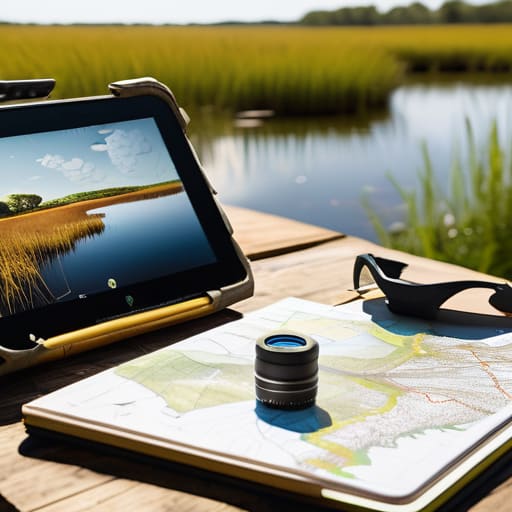
If you spend any time on LinkedIn, you’ll see a lot of polished, vague posts about the “growing demand” for green skills. It sounds great in a brochure, but when you actually dig into the ecology job market outlook, the reality is a lot more fragmented. We aren’t seeing a single, massive wave of hiring; instead, we’re seeing a shift in where the money is moving. While traditional academic positions remain fiercely competitive and often rely on precarious grant cycles, there is a tangible surge in demand within the private sector—specifically for consultants who can navigate the legalities of biodiversity net gain.
This means that while conservation biology roles in NGOs are the dream for many of us, the actual bread and butter of the industry often lies in environmental consultancy. You might find yourself less in a rainforest and more in a muddy construction site, conducting Phase 1 habitat surveys or checking for protected species before a developer breaks ground. It isn’t always glamorous, and it isn’t always “saving the world” in the way we imagine, but it is where the stable, long-term employment currently sits.
The Unsexy Skills That Actually Get You Hired
- Get comfortable with the data, not just the dirt. You can spend all day identifying Bombus terrestris in a hedgerow, but if you can’t translate those sightings into a clean spreadsheet or a statistical model, you’re just a person standing in a field. Most of the actual work happens behind a screen, cleaning up messy datasets from field surveys.
- Learn to love the “unglamorous” taxonomy. People think ecology is about big-picture climate policy, but much of it is actually about the granular, sometimes tedious work of distinguishing one species from a near-identical sibling. If you can master the identification of local flora and fauna, you become an asset that can’t be easily replaced by an automated sensor.
- Build a “fieldwork temperament.” This isn’t a formal qualification, but it’s what employers look for. Can you maintain accuracy when it’s 4:00 PM, you’re soaked to the bone, and your GPS is acting up? Showing that you can maintain data integrity under physical discomfort is more valuable than any high-level theoretical knowledge.
- Cultivate a network that isn’t just LinkedIn. Join the local moth groups, show up to the regional biodiversity forums, and actually talk to the people running the transects. The ecology world is surprisingly small; most of the best entry-level roles are filled via word-of-mouth before they ever hit a job board.
- Understand the difference between advocacy and evidence. It’s easy to get swept up in the emotional weight of species decline, but your job is to be the person who brings the numbers. Learn to say “the evidence is currently inconclusive” just as confidently as you say “this population is thriving.” That precision is what gives your work professional authority.
The Reality Check: Three Things to Remember Before You Apply
Don’t mistake a passion for “nature” for a passion for ecology; you need to love the data and the repetitive, often muddy, reality of field surveys as much as you love the animals themselves.
Specialisation is a double-edged sword, so while it’s tempting to aim straight for a niche like pollinator conservation, building a broad foundation in GIS and general taxonomic identification will make you much more employable when the funding shifts.
Expect a gap between what your lectures teach and what a consultancy client needs, which means your ability to translate complex ecological findings into plain, actionable advice is just as important as your ability to identify a species.
The Reality of the Long Game
If you’ve made it this far, you probably already know that a career in ecology isn’t a series of cinematic moments of connection with nature; it’s a slog through spreadsheets, weather-beaten field notebooks, and the sometimes frustratingly slow pace of data collection. We’ve looked at how to navigate the academic landscape without falling for the marketing fluff, and we’ve been honest about the fact that the job market is competitive and often requires significant grit. To succeed, you have to bridge the gap between high-level theory and the messy, unglamorous reality of what happens on the ground. It is about being as comfortable with a statistical software package as you are with a pair of muddy boots and a transect line.
Ultimately, the reason we do this work is because the data tells us we are running out of time, but it also tells us that small, evidence-based interventions actually work. Whether you end up managing vast tracts of woodland or just advising a local council on how to manage a single hedgerow, your contribution matters. Don’t let the scale of the biodiversity crisis paralyze you into inaction. We don’t need more people shouting about the end of the world; we need more people who know how to count what is actually left and how to build a way forward from there.
