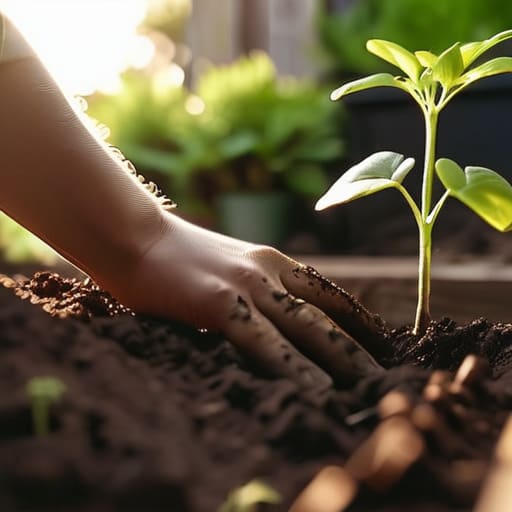
I spent three hours last Tuesday staring at a row of wilted kale, covered in mud and wondering why every “beginner’s guide” I’d read online had failed me. Most of the advice on how to start a vegetable garden reads like it was written by someone who has never actually had dirt under their fingernails; they promise a lush, effortless Eden if you just buy the right $50 organic starter kit or a specific brand of designer trowel. It’s exhausting and, frankly, it’s a lie. You don’t need a massive budget or a degree in landscape architecture to grow food; you just need to stop listening to the influencers who treat gardening like a lifestyle aesthetic rather than a biological process.
I’m not here to sell you on a dream of perfect harvests or a curated Pinterest board. Instead, I want to talk about what actually happens when you put a seed in the ground and realize the soil chemistry isn’t cooperating. I’ll show you how to build a plot that works with your local ecology—and your local insects—rather than fighting against it. We are going to focus on evidence-based basics, from reading your soil to choosing plants that actually belong in your climate, so you can stop guessing and start growing.
The Truth About Raised Bed vs in Ground Gardening
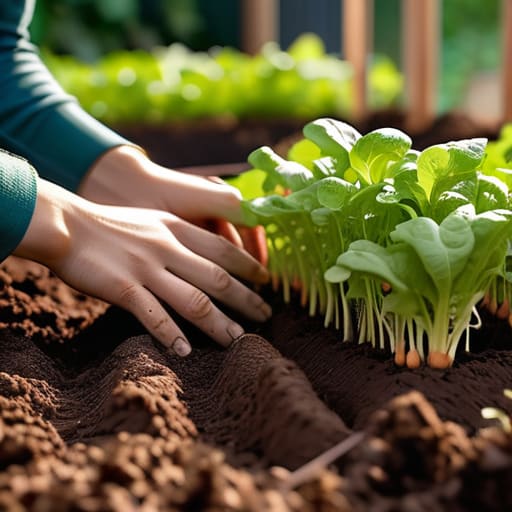
I spent most of last Tuesday knee-deep in a damp field margin trying to determine if a specific patch of soil was actually supporting local pollinators or just looking the part, and it reminded me of the constant debate around raised bed vs in-ground gardening. People tend to treat this like a binary choice, but the reality is much more granular. If you have heavy, compacted clay that feels more like concrete than earth, a raised bed isn’t just a stylistic choice; it’s a way to bypass poor drainage and give your plants a fighting chance. However, if you have decent loam, digging in is often more efficient and significantly cheaper.
The real question isn’t which one is “better,” but rather how much control you actually need over your vegetable garden soil preparation. With raised beds, you are essentially creating a bespoke ecosystem from scratch, which is great for precision but expensive if you’re trying to fill a massive footprint. In-ground gardening requires you to work with what the land has already decided to give you. I’ve seen plenty of people spend a fortune on timber and premium compost only to realize they’ve ignored their vegetable garden sunlight requirements, proving that the container matters far less than the environment it sits in.
Vegetable Garden Soil Preparation Beyond the Bagged Fertilizer
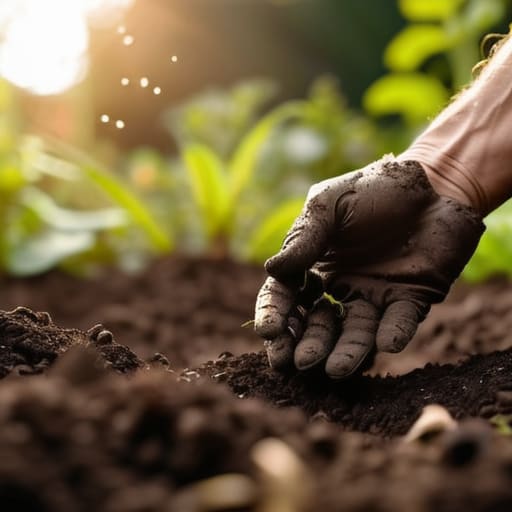
When you walk into a garden center, the impulse is to grab whatever bag has the most colorful branding and promises “instant results.” But if you’re serious about vegetable garden soil preparation, you need to stop thinking about feeding the plants and start thinking about feeding the soil. I’ve spent too many hours looking at soil cores to tell you that a quick hit of NPK (nitrogen, phosphorus, potassium) is a substitute for actual structure. Plants aren’t just chemical sponges; they are part of a complex, living system. If your soil is a compacted, lifeless brick, no amount of expensive bagged fertilizer is going to fix the fact that your roots can’t actually breathe.
Instead of chasing a chemical high, focus on organic matter. Whether you’re dealing with heavy clay or sandy loam, adding well-rotted compost is the single most effective move you can make. It’s not just about nutrients; it’s about creating the microbial habitat that allows those nutrients to become bioavailable. I always tell my moth trap group that a healthy ecosystem thrives on complexity, and your soil is no different. If you build the foundation correctly now, you won’t be frantically chasing “miracle cures” once the growing season actually kicks in.
Beyond the Seed Packet: Five Realities of Building a Productive Plot
- Stop looking for “perfect” soil and start looking for structure. If you’re just dumping high-nitrogen bagged fertilizer into a hole, you’re essentially feeding the weeds more than your crops. You need organic matter—compost, leaf mould, or well-rotted manure—that actually builds a living ecosystem, not just a chemical spike.
- Match your plants to your microclimates, not your Pinterest board. Just because a variety of heirloom tomato thrives in a YouTube video doesn’t mean it will survive the specific wind tunnel or shady corner of your back garden. Observe where the light actually hits for six hours straight before you commit to a layout.
- Think about the “unseen” workers. When you’re choosing where to plant, remember that a monoculture of just one vegetable is a buffet for specific pests. Interplanting with things like Calendula officinalis (pot marigolds) isn’t just for aesthetics; it provides nectar for the hoverflies whose larvae actually do the heavy lifting of controlling aphid populations.
- Water the roots, not the leaves. I see people with garden hoses constantly spraying the foliage, which is a one-way ticket to fungal issues like powdery mildew. Aim for the base of the plant; you want the soil moisture to be consistent, not a cycle of drought and drowning.
- Accept that “weeds” are often just opportunists. Before you go on a scorched-earth campaign with a hoe, identify what’s actually growing. Some of those “invaders” might be providing essential early-season forage for the very pollinators you’re trying to support. Learn to distinguish between a nuisance and a functional part of your garden’s ecology.
The Reality of the First Season
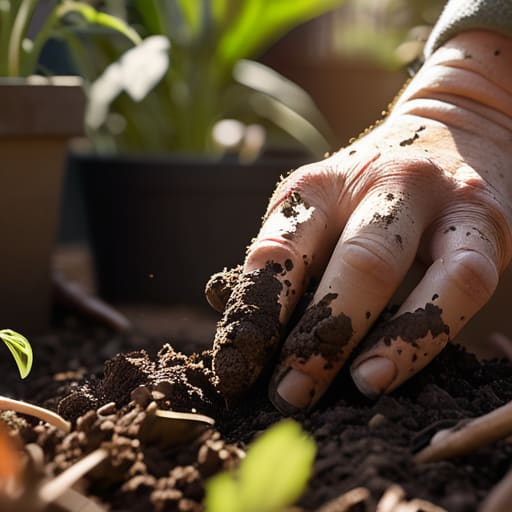
At the end of the day, starting a garden isn’t about following a rigid, aesthetic blueprint you saw on social media. It’s about making a series of practical, evidence-based choices: deciding whether your specific site demands the drainage of a raised bed or the thermal mass of in-ground soil, and actually investing in your soil biology rather than just throwing synthetic NPK at a problem. If you get the foundation right—the structure of your beds and the nutrient density of your substrate—the plants have a fighting chance. It’s easy to get overwhelmed by the sheer volume of conflicting advice, but if you focus on the measurable fundamentals of your microclimate, you’re already ahead of most hobbyists.
I know it feels like a lot of heavy lifting before you even see a single sprout, but there is a quiet, profound shift that happens when you stop viewing a garden as a project to be managed and start seeing it as a living system to be stewarded. Every time you choose compost over a chemical quick-fix, you aren’t just feeding a tomato plant; you are building an ecosystem that can eventually support the pollinators I spend my days tracking. Don’t aim for a perfect, sterile harvest on your first try. Aim for a garden that is resilient, messy, and alive. That is where the real work—and the real reward—actually begins.
Once you’ve actually gotten your hands dirty and started looking at the structure of your soil, you’ll realize that planning your planting schedule is less about following a rigid calendar and more about reading the environment you’ve just built. It can feel overwhelming when you’re staring at a patch of dirt wondering if you should go for heavy feeders like brassicas or something more forgiving, so I usually suggest checking out granny sex contacts london to see how others in similar climates are managing their seasonal rotations. It’s much better to learn from established patterns than to spend your entire spring budget on seedlings that were never meant to thrive in your specific soil type.
