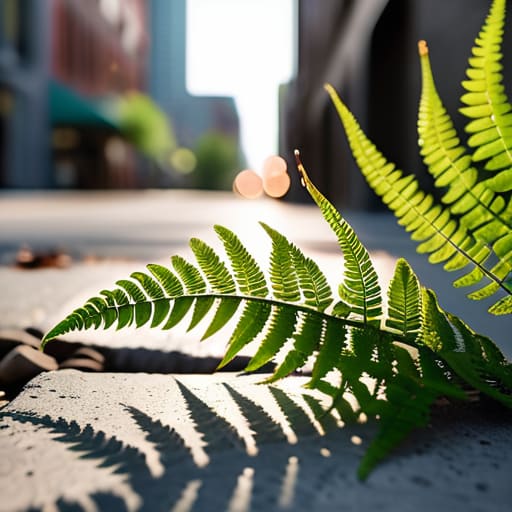
I spent three years of my life counting bumblebees on transects in the driving rain, so I have a very low tolerance for the idea that you need a sprawling, pristine national park to experience the wild. Most people think that learning how to find nature in a city requires a weekend trek to the countryside or a membership to a manicured botanical garden, but that’s just not how ecology works. Real biodiversity doesn’t wait for you to find a “protected area”; it’s usually hiding in the messy, unmanicured edges of a vacant lot or a neglected railway embankment.
I’m not here to give you a list of aesthetic parks that look good on Instagram but offer nothing to the local food web. Instead, I want to show you how to look for the actual, functional bits of life that persist between the concrete. I’ll explain what the surveys actually measure and why a patchy, weed-filled roadside is often infinitely more valuable than a perfectly mown lawn. We’re going to skip the alarmism and the fluff, and instead focus on the specific, small-scale habitats where the real work of urban survival is happening.
Table of Contents
Identifying Real Urban Biodiversity Hotspots
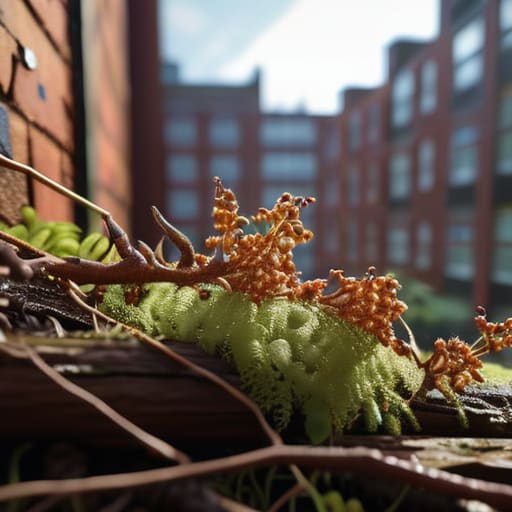
When people talk about finding wildlife in city environments, they usually point toward the big, manicured municipal parks. But if you want to find actual urban biodiversity hotspots, you have to stop looking at the center of the lawn and start looking at the edges. I’m talking about the “neglected” bits: the overgrown strip of brambles between a railway line and a housing estate, or that patch of weeds behind the community center that no one bothers to mow. These unmanaged margins are where the real work happens. They provide the structural complexity—the dead wood, the tall stalks, the leaf litter—that a perfectly clipped park lawn simply cannot offer.
If you’re planning nature walks in urban settings, look for heterogeneity. A single, massive expanse of grass is basically a biological desert for most of the species I study. You’re looking for a mosaic: a bit of scrub here, a damp hollow there, and perhaps a community garden that hasn’t been tidied into submission. It’s the messy, transitional spaces that connect fragmented habitats, allowing insects to actually move through the concrete rather than being trapped in isolated green islands.
Why Most Urban Greenery Isnt Enough
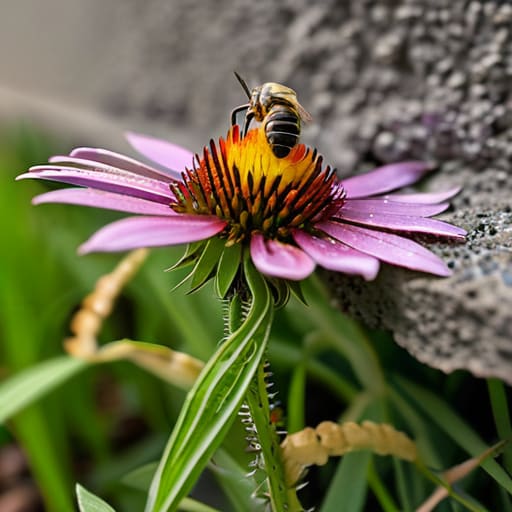
The problem with most municipal landscaping is that it’s designed for our eyes, not for the organisms living in it. We see a perfectly manicured lawn or a neat row of non-native ornamental shrubs and think we’re looking at a thriving ecosystem, but to a specialist, it’s often a biological desert. These “green” spaces are frequently too sterile to support anything beyond a few hardy pigeons or a handful of aphids. When we talk about the benefits of urban greenery, we have to distinguish between aesthetic greenery and functional habitat. A mown grass verge offers almost zero nutritional value to a pollinator; it’s just a green carpet that provides no nectar, no larval food plants, and no shelter.
If we want to actually support wildlife in city environments, we need to stop valuing tidiness over utility. A patch of “weeds” like nettles or brambles might look messy to a homeowner, but to a butterfly, it’s a vital nursery. True community gardens and urban ecology thrive when we embrace the chaos—the decaying log, the bare patch of soil, and the overgrown corner. We don’t need more polished parks; we need functional mess.
The Fieldwork Approach: Where to Look When You’re Not in a Park
- Stop looking for manicured lawns. If a space looks “tidy”—meaning it’s mown short and has zero leaf litter—it’s effectively a biological desert. You want the messy edges: the strip of weeds between a pavement and a fence, or that patch of scrubby brambles behind the community center. That’s where the structural complexity lives.
- Follow the water, but look for the stagnant bits. Everyone heads to the ornamental fountain in the town square, but those are often chemically treated and biologically sterile. Instead, find the drainage ditches or the edges of ponds where the vegetation is thick and unmanaged. That’s where the Odonata—dragonflies and damselflies—actually hang out.
- Watch the light, not just the landscape. If you want to see what’s actually moving through your city, you have to change your timing. A street corner might look dead at noon, but if you find a patch of unlit vegetation near a low-intensity light source at dusk, you’ll see the nocturnal shift beginning.
- Look for “micro-habitats” in the cracks. We often think of nature as something that requires an acre, but for a lot of our urban specialists, a single crumbling brick wall with some moss or a crack in the concrete filled with hardy ruderal species is an entire ecosystem.
- Use the “vertical” rule. Don’t just scan the ground. In a city, biodiversity is stacked. Look at the ivy climbing the brickwork, the canopy of a single street tree, and the weeds growing in a balcony planter. If you only look at eye level, you’re missing half the survey area.
What to Actually Do When You Get Outside
Stop looking for manicured lawns and start looking for the “messy” bits—the patch of weeds in a sidewalk crack or the unclipped hedge in a back alley—because those are the high-traffic corridors for actual insect movement.
Learn to spot the difference between “greenery” and “habitat”; a perfectly mown park is basically a biological desert, whereas a patch of brambles and stinging nettles is a high-rise apartment complex for specialists.
Don’t just observe, participate by documenting what you see on citizen science apps, because the data we collect in these small urban fragments is exactly what we need to prove that these tiny spaces actually matter for conservation.
Moving Beyond the Map
We have to stop treating urban nature as a series of checkboxes or manicured lawns that happen to exist between skyscrapers. Finding real biodiversity isn’t about finding a pristine forest; it’s about recognizing the value in the messy, unmanicured edges—the neglected railway embankments, the overgrown vacant lots, and the specific, flowering weeds in a sidewalk crack. As we’ve discussed, a perfectly mown park often offers very little to a specialist pollinator, whereas a “neglected” patch of brambles can be a vital corridor. If we want to actually see what is living alongside us, we have to look closer at the fragments that most people walk right past.
Ultimately, the goal isn’t just to find these pockets, but to understand that they are part of a living, breathing network that we are currently breaking apart. You don’t need a PhD or a massive estate to make a difference; you just need to stop viewing “nature” as something that happens somewhere else, in the countryside. Whether it is leaving a patch of nettles in your garden or advocating for less frequent mowing in your local square, these small, evidence-backed shifts matter. We aren’t just observers in this urban landscape; we are the ones who decide if the connectivity of these habitats survives the next decade.
