
I was standing in a sodden hedgerow last November, shivering in my waterproofs and trying to record a single, very stubborn beetle, when I realized just how much we overcomplicate the basic architecture of our landscapes. People tend to treat the difference between deciduous and evergreen trees as this grand, sweeping philosophical divide, but when you’re actually out there counting biodiversity in the mud, it’s much more pragmatic. It isn’t about which one looks “prettier” in a landscape design catalogue; it’s about how these two fundamentally different survival strategies dictate which insects actually show up to the party and which ones are left out in the cold.
If you’re trying to figure out how these different tree types are actually affecting the local insect life in your own patch, it helps to stop guessing and start observing. I’ve found that the best way to learn is usually through crowdsourced observation rather than just reading a textbook. If you want to see what people are actually finding in the field, I usually head over to this Germany chat community to see what’s popping up in their local surveys; it’s a great way to get a real-world sense of how these seasonal shifts play out across different landscapes.
I’m not here to give you a textbook definition that you could find in any primary school workbook. Instead, I want to look at what these trees actually do for the local ecosystem—from the way a canopy manages light to how leaf litter affects soil chemistry. I’ll walk you through the mechanical reality of how they function, stripping away the horticultural fluff so you can understand why choosing one over the other is a massive decision for the tiny creatures living under their branches.
Decoding Seasonal Leaf Loss Patterns
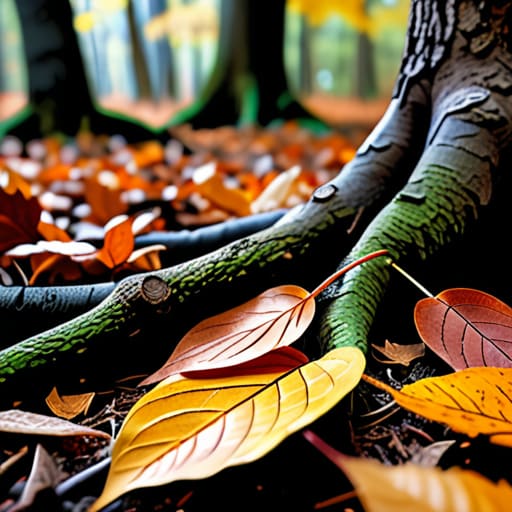
When you’re out in the field during a survey, the first thing you notice isn’t just the color, but the sheer amount of “litter” on the ground. This is the most visible part of the deciduous tree life cycle. These trees—mostly broadleaf varieties—are essentially playing a high-stakes game of energy management. Instead of trying to maintain expensive, hydrated tissue through a freezing winter, they simply cut their losses. They pull the nutrients back into the trunk and drop the leaves entirely. It’s a radical survival strategy: by shedding the foliage, they prevent water loss and physical damage from heavy snow, essentially hitting a “reset” button every autumn.
Evergreens, specifically many coniferous species, take a completely different route. They don’t ditch their leaves; they just change the architecture. If you look closely at the needle vs leaf structure, you’ll see why they can hang on. Those needles often have a thick, waxy cuticle that acts like a waterproof coat, slowing down evaporation. This allows for continuous photosynthesis whenever the temperature allows, rather than waiting for a spring restart. It’s not that they’re “tougher” than deciduous trees; they’re just optimized for a different kind of endurance.
Deciduous Tree Life Cycle Realities

When we talk about the deciduous tree life cycle, we often treat it like a simple seasonal snooze button, but for the tree, it is a high-stakes metabolic gamble. Every autumn, these trees aren’t just “losing leaves”; they are actively withdrawing precious nutrients—nitrogen and phosphorus—from their foliage back into the woody tissue to survive the winter. It is a massive, coordinated salvage operation. If they didn’t do this, the cost of rebuilding a full canopy from scratch every spring would be energetically impossible.
This is where the distinction between coniferous vs broadleaf trees becomes a question of resource management. While a broadleaf tree is essentially “rebooting” its entire solar array every year, many evergreens are playing a long, slow game. They keep their needles, which are heavily armored with a thick, waxy cuticle to prevent desiccation. This needle vs leaf structure isn’t just a visual difference; it’s a structural commitment to staying “online” even when the ground is frozen, whereas the deciduous strategy is to go completely dark to protect the core system.
Beyond the Canopy: What Tree Selection Actually Means for Your Local Ecosystem
- Stop looking at trees as just scenery and start looking at them as seasonal food timing. Deciduous trees offer a massive, sudden burst of leaf litter in autumn, which is basically a high-energy feast for soil invertebrates, whereas evergreens provide a more stable, year-round structural habitat.
- If you want to support overwintering specialists, you need both. I’ve seen plenty of people plant a “green” garden that is actually a desert in February because they only chose evergreens; you need the deciduous leaf litter to create those crucial insulating layers for larvae.
- Consider the “light gap” effect. When a deciduous tree drops its leaves, it creates a seasonal window of light hitting the forest floor. If you’re planning a garden, this is your chance to plant spring ephemerals that rely on that specific, fleeting sun before the canopy closes.
- Don’t assume evergreens are “low maintenance” for biodiversity. While they provide excellent windbreaks and nesting sites for birds during harsh winters, they don’t contribute to the rapid nutrient cycling that deciduous leaf fall provides to the local soil chemistry.
- Match the tree to the specific insect lifecycle you’re trying to save. Some moth species are incredibly picky about the specific chemistry of a deciduous leaf, while others need the permanent, sheltered architecture of an evergreen to hide from predators during their pupal stage.
Beyond the Foliage: Why the Distinction Matters
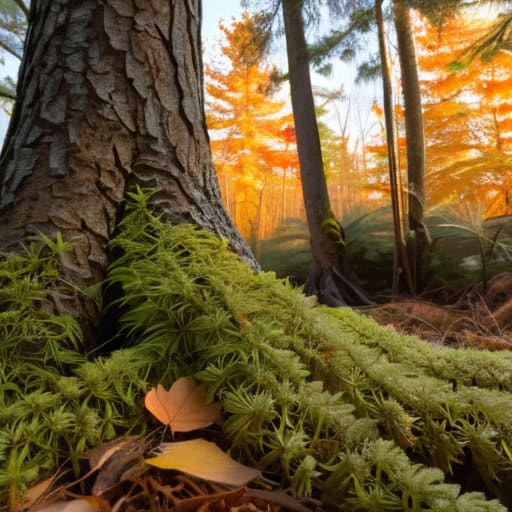
When we strip away the jargon, the difference between these two groups isn’t just about whether a tree looks bare in January; it is about fundamentally different approaches to managing resources and surviving environmental stress. Deciduous trees gamble on a seasonal reset, shedding leaves to avoid the metabolic cost of maintaining them through a freeze, while evergreens commit to a long-term, steady-state investment in their canopy. Understanding these divergent survival strategies is crucial because they dictate how these trees interact with the local ecosystem. From the way they capture sunlight to the specific way they drop organic matter back into the soil, both types play a role that is entirely distinct and non-interchangeable.
As someone who spends most of my time looking at the ground and the insects crawling through it, I see these trees as more than just scenery. They are the infrastructure of a habitat. A deciduous woodland provides a very different pulse of nutrients and shelter than a dense evergreen stand, and our biodiversity relies on that specific, messy variety. Instead of seeing them as competing categories, we should see them as complementary layers of a resilient landscape. If we want to support the tiny, often overlooked species that keep our world turning, we have to stop looking for a “perfect” tree and start valuing the complexity that comes from having both.
